The Gentle Bottom-Care Guide: Cloth Diapering, Elimination Communication, and Reclaiming Infant Autonomy
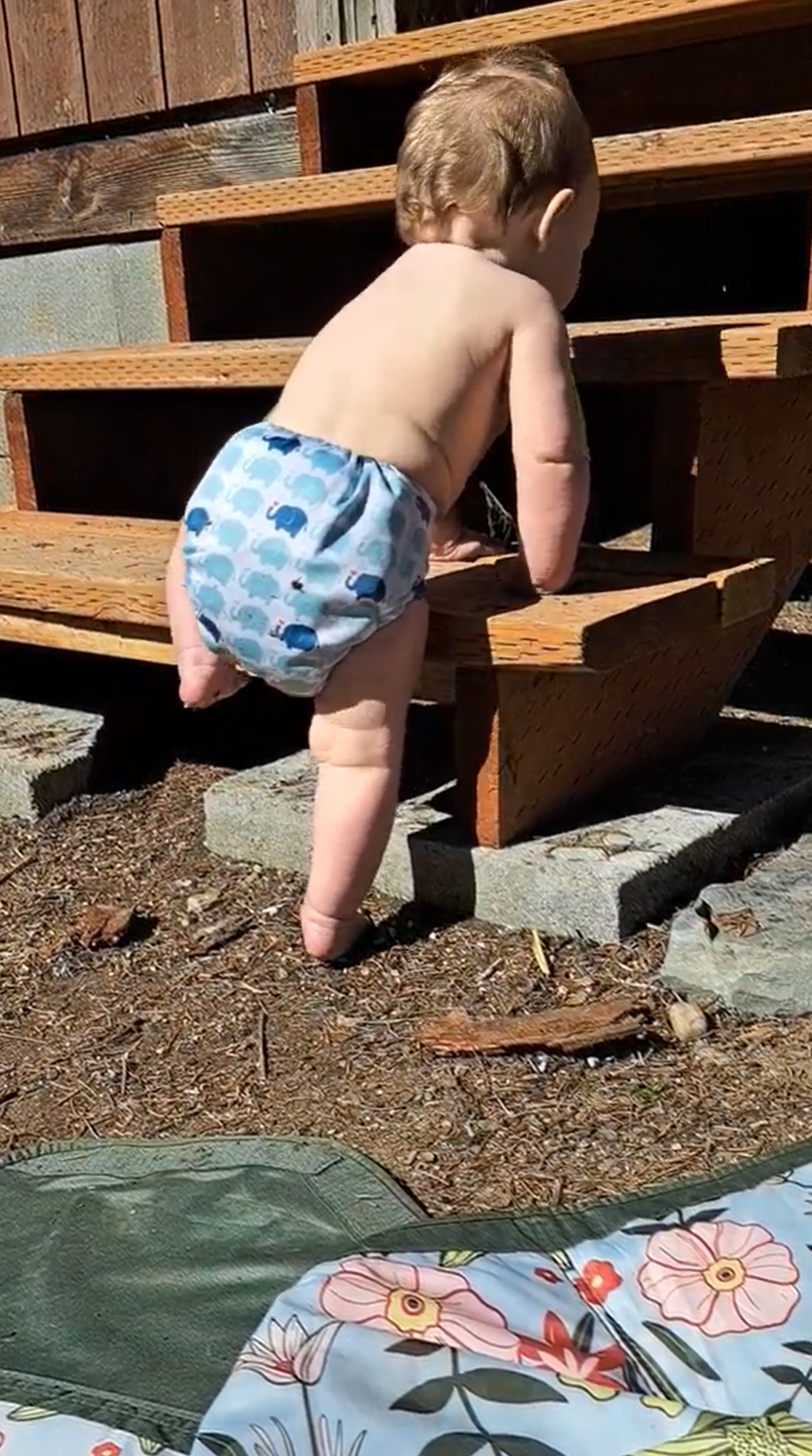
Modern parenting culture has conditioned us to believe that infant bottom care requires a disposable diaper bound tightly to a baby’s skin 24 hours a day for three consecutive years. We are taught to expect messy diaper rashes, expensive bulk box purchases, and grueling potty-training battles down the road.
As a family grounded in traditional rhythms and natural child development, we choose a different path.
By combining the practical art of cloth diapering with the ancient wisdom of Elimination Communication (EC), you can save thousands of dollars, eliminate harsh synthetic chemicals from your home, and cultivate a deep, communicative bond with your infant from their very first weeks of life.
Here is your practical guide to stepping off the disposable treadmill, embracing cloth, and trusting your baby’s natural instincts.
Part 1: Why Choose Cloth Diapers?
Cloth diapering has evolved far beyond the safety pins and rubber pants of past generations. Modern cloth systems are simple, highly functional, and deeply satisfying to use around the homestead hearth.
The Benefits of Cloth
- Substantial Financial Savings: Reusing cloth diapers for one child—or across multiple siblings—saves thousands of dollars compared to purchasing single-use disposables week after week.
- Chemical-Free Comfort: Conventional disposable diapers are laden with synthetic gels, chlorine bleaching agents, and fragrances. Natural-fiber cloth diapers allow your baby’s skin to breathe naturally.
- Fewer Diaper Rashes: Natural fabrics like organic cotton, bamboo, or hemp pull moisture away while allowing proper airflow, keeping skin healthy and rash-free.
- Better Signal Processing for EC: Cloth allows babies to feel the sensation of wetness immediately. This natural feedback loop maintains their body awareness, making the transition to potty independence effortless.
- Eco-Friendly & Aesthetic: Cloth diapers keep thousands of non-biodegradable disposables out of landfills—and they look beautiful on your baby.
What You Want to Have On Hand
You don’t need an elaborate setup to succeed with cloth. Keep your supply streamlined:
- Outers & Inners: Waterproof covers paired with absorbent fitted inserts, prefolds, or flats.
- Wipes: Soft cloth wipes stored dry and moistened with warm water as needed.
- A Breathable Storage Solution: A woven basket or a hanging wet/dry bag to hold soiled diapers. Airflow is crucial—sealed containers trap ammonia and odors, whereas a breathable basket keeps scent down until wash day.
- Poop Management Tools: A toilet-mounted bidet sprayer makes rinsing soiled diapers effortless. Alternatively, keep a pair of disposable gloves on hand to swirl soiled cloth in the toilet bowl before laundering.
- A Solid Laundry Routine: A simple cold rinse followed by a heavy-duty hot wash cycle using clean, simple detergent.
- Newborn Disposables (Optional Transition): Having a small pack of eco-friendly disposables for the first few weeks can ease nighttime sleep. Newborns are small, and bulky cloth covers can sometimes leak at night until their legs fill out.
Part 2: What Is Elimination Communication (EC)?
Elimination Communication—often called Natural Infant Hygiene—is the gentle practice of responding to your baby's innate signals to eliminate. Babies are born with an instinct to keep themselves, their caregivers, and their sleep spaces clean. EC is simply tuning into those signals, offering a receptacle, and building a language of mutual trust.
The Benefits of EC
- Empowerment & Natural Instincts: EC honors your child's innate bodily awareness rather than conditioning them to ignore their physiological signals for years before "potty training."
- Bypassing the Potty-Training Struggle: Children who practice EC naturally transition to independent potty use as their mobility grows, eliminating toddler power struggles entirely.
- Deepened Family Bonding: EC is an intuitive dialogue. Involving partners and siblings in watching for cues creates a shared, supportive family rhythm around infant care.
- A Happier, Less Fussy Baby: Babies often cry when they need to eliminate. Offering a potty opportunity resolves discomfort quickly, leading to fewer unexplained fussy spells and less gas.
- Less Diaper Waste: Even practicing EC part-time or exclusively at home drastically reduces the total number of diapers your child uses per day.
What You Want to Have On Hand
EC is a mindset, not a collection of gear. Keep your equipment minimal:
- A Top-Hat Potty or Portable Receptacle: This is the only true essential. A small, ergonomic top-hat potty can be held comfortably between your thighs while cradle-holding a newborn.
- Absorbent Cloth Pads: Useful to lay under a bare-bottom baby during quiet floor time or outdoor play.
- Easy-Access Clothing: Ditch the complicated outfits. Opt for leggings, leg warmers, crotch-snap rompers, or open gowns. Avoid overalls, footie pajamas, and stiff pants that slow down quick potty trips.
- Backups: A few cloth diapers, training pants, or simple cotton underpants kept nearby give you peace of mind while learning your baby's natural rhythms.
Bringing It All Together: The Rhythmic Hearth Approach
You do not have to choose between 100% full-time EC or 100% cloth diapering. Many families find their rhythm by using cloth diapers as a stress-free backup while offering the potty at natural transition points—upon waking, after feedings, or during diaper changes.
By honoring your baby’s physiological signals and choosing natural materials, you anchor your home in a peaceful, sovereign flow that respects both your child and the environment.
Tending the Hearth Together
Join our community of scratch home cooks and intentional parents. Receive our latest guides, real-food recipes, and ancestral reflections.
Respecting your sanctuary. Sent with zero fluff.