My Essential Sourdough Toolkit: 13 Kitchen Tools I Use for Every Single Bake
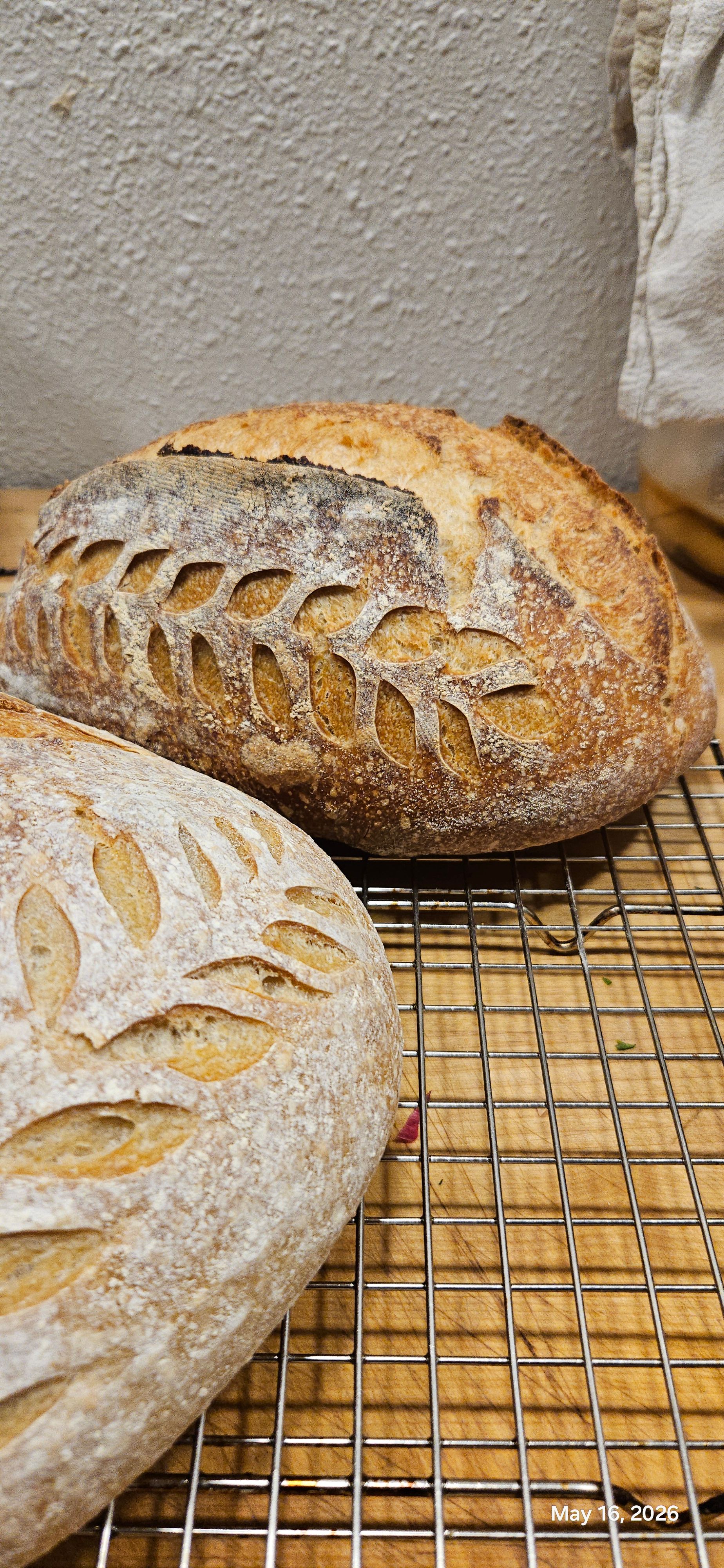
Sourdough baking is a beautiful blend of ancient craft, biological science, and culinary intuition. When you are working with wild yeast, high-hydration doughs, and intense oven heat, having the right equipment isn't about collecting flashy kitchen gadgets—it is about consistency, efficiency, safety, and joy in your daily hearth rhythm.
Even as a professional chef, I have had my fair share of sourdough mishaps (including a painful knife slip on a crusty boule that convinced me to upgrade my slicing setup forever!). Over years of continuous baking on the homestead, I have refined my setup down to the absolute essentials.
Whether you are just feeding your first starter or looking to streamline your weekly bake, here are the 13 essential sourdough tools I rely on for every single loaf—and exactly why each one deserves a permanent spot in your kitchen.
1. Digital Kitchen Scale (Waterproof & Rechargeable)
- Why It’s Essential: Sourdough is a science governed by baker’s percentages. Measuring flour and water by volume with measuring cups is notoriously inaccurate because flour settles and compacts. A digital scale ensures absolute precision every time you feed your starter or mix a dough.
- Why I Love This One: Cheaper battery-operated scales tend to die right in the middle of a dough build or short out when wet flour touches the display. Investing in a waterproof, rechargeable scale saves money on batteries and withstands the inevitable spills of a busy scratch kitchen.
2. Wide-Mouth Mason Jars
- Why It’s Essential: Your starter needs room to double and triple in volume without overflowing. Wide-mouth glass jars allow you to easily monitor bubble activity, rise height, and fermentation structure.
- Why I Use Them: Straight, wide-mouth sides make feeding, stirring, and scraping down the edges completely effortless. I top mine with the jar ring holding a flour sack towel or paper towel in place—this allows the wild yeast to breathe while keeping dust and fruit flies out.
3. Spurtles & Silicone Spatulas
- Why It’s Essential: Mixing thick, sticky starter and high-hydration doughs requires a utensil sturdy enough to scrape corners without tearing or scratching your glassware.
- Why I Use Both: An ergonomic wooden spurtle provides incredible leverage for cutting through dense flour-and-water mixtures during starter feedings, while a heat-resistant silicone spatula ensures you scrape every last drop of precious starter out of your jar.
4. Chainmail Scrubber
- Why It’s Essential: Raw flour and water create a natural glue that ruins traditional kitchen sponges in seconds, clogging the pores and causing sour odors.
- Why I Love It: A stainless steel chainmail scrubber effortlessly knocks dried dough and sticky film off glass jars, mixing bowls, and counters without soap or scratching. As a bonus on the homestead, it is also my primary tool for cleaning and maintaining cast iron cookware!
5. Commercial KitchenAid Stand Mixer (8-Qt)
- Why It’s Essential: While kneading with your hands can be wonderful, using a heavy-duty commercial stand mixer simplifies gluten development for high-volume or high-hydration bakes, keeping the process mess-free and saving your arms.
- Why I Use It: The commercial spiral dough hook handles stiff, heavy sourdough batches effortlessly, giving you perfect gluten structure in minutes while your hands remain free for other kitchen tasks.
6. Wood Pulp Bannetons (Proofing Baskets)
- Why It’s Essential: During the final cold proof, your shaped dough needs structure to hold its height and breathable airflow to draw excess moisture away from the outer skin.
- Why Wood Pulp: Wood pulp bannetons regulate moisture far better than traditional cane baskets, preventing sticking and ensuring a smooth, clean release. (Pro-tip: Always match your banneton capacity to the raw dough weight of your recipe—my go-to shapes are rated for 1000g of raw unbaked dough).
7. White Rice Flour
- Why It’s Essential: Standard wheat flour contains gluten, which absorbs moisture and becomes sticky, causing dough to cling to proofing baskets. White rice flour is gluten-free and does not absorb water at the same rate, creating an effortless non-stick barrier.
- Why I Use It Every Bake: It prevents sticking in the banneton and creates that striking, bright white contrast on the crust when you score decorative patterns. Because it doesn't gum up, a single bag lasts for months of weekly bakes.
8. Dual Scoring Lames (Retractable & Handle Style)
- Why It’s Essential: Scoring isn't just aesthetic; it creates a controlled expansion vent ("the ear") so your loaf expands upward in the oven rather than bursting out the sides.
- Why I Keep Both: A traditional razor lame on a handle gives great control for deep expansion slashes, while the retractable style lame sits flat in your palm, giving you fine control for intricate, decorative scoring like wheat stalks or leaves (plus its an added safety feature to have the retractable blade and it’s magnetic so it stores easily on your fridge!)
9. Silicone Reusable Loaf Lifters
- Why It’s Essential: Transferring soft, high-proofed dough into a scorching-hot Dutch oven can be nerve-wracking, often resulting in lopsided loaves or accidental wrist burns.
- Why They Beat Parchment: These heat-resistant silicone mats feature long, sturdy side handles that make lowering dough into—and lifting baked bread out of—a 500°F pot effortless. Plus, you eliminate single-use parchment paper waste entirely!
10. Enamel Cast Iron Dutch Oven
- Why It’s Essential: Trapping steam during the first 20 minutes of baking is the secret to achieving incredible oven spring and a blistering, crispy crust. Cast iron retains and radiates heavy, even heat, while the sealed lid traps the moisture escaping from the dough.
- Why It’s Worth Its Weight: Beyond sourdough, a heavy cast iron Dutch oven is the absolute workhorse of a homestead kitchen—ideal for simmering long-extracted bone broths, braising grass-fed roasts, and cooking hearty autumn stews.
11. High-Heat Silicone Oven Mitts & Forearm Guards
- Why It’s Essential: Standard fabric oven mitts are not rated for prolonged contact with 500°F heavy cast iron, leading to heat transfer and painful wrist or forearm burns on the Dutch oven rim.
- Why I Recommend Them: These heavy-duty gloves feature textured silicone for a non-slip grip on heavy pots and extend high up the forearm to protect delicate skin from accidental contact with blistering oven racks.
12. Stainless Steel Wire Cooling Racks
- Why It’s Essential: As bread comes out of the oven, steam continues to evaporate from the center of the loaf. If left on a flat counter or cutting board, moisture traps underneath, turning your crispy bottom crust soggy.
- Why They Are Versatile: Elevating your loaf on a wire rack allows 360-degree airflow so the crumb sets properly as it cools. In our kitchen, these heavy-duty racks also double as sheet-pan inserts for oven-baking crisp pastured bacon!
13. Hand Crank Bread Slicer
- Why It’s Essential: Even as a professional chef with decades of knife experience, I suffered a deep, painful hand cut while trying to slice a dense, crusty loaf freehand. I vowed right then to find a safer, better way.
- Why I Love It: The slicer is fun to use! There is an adjustable depth so you can cut your bread at precisely the slice thickness you prefer, and be consistent throughout the whole loaf. It is so secure that my young kids even help slice our weekly bread under supervision!
Building Your Hearth Setup
You don't need to purchase everything at once to start your baking journey, but investing in quality tools over time transforms sourdough from a chaotic chore into a peaceful, rhythmic ritual.
What sourdough tools are non-negotiable in your kitchen setup? Let me know in the comments below!
Tending the Hearth Together
Join our community of scratch home cooks and intentional parents. Receive our latest guides, real-food recipes, and ancestral reflections.
Respecting your sanctuary. Sent with zero fluff.